Asset tags are unique identifiers or labels used to track, manage, and organize assets within an organization. These assets can include physical items like equipment, tools, machinery.
An Asset tag typically contains a serial numbeR, QR code or barcode, which can be scanned to quickly retrieve information about the asset. This information can include the asset’s purchase date, location, maintenance history, and more.
Why Are Asset Tags Important?
- Efficient Tracking and Management
- Prevent Loss and Theft
- Streamline Maintenance and Audits
- Improved Accountability
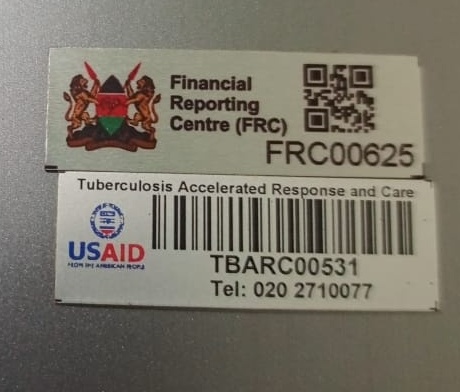
Asset tagging – the process of attaching a unique identifier (asset tag) to each asset. This identifier could be in the form of a barcode, QR code, RFID tag, or even a serial number printed on a label.
Types of Asset Tags
- Barcode
The most common type of asset tag is a barcode. A barcode consists of a series of vertical lines of varying widths, which can be scanned to identify and retrieve information about an asset. - QR Codes
A QR code (Quick Response code) is a type of barcode that contains more information and can be scanned by smartphones or barcode scanners. - RFID Tags
RFID (Radio Frequency Identification) tags use radio waves to identify assets. These tags don’t require a direct line of sight like barcodes or QR codes. RFID tags can be read from a distance, making them ideal for tracking items in motion. - Engraved Tags
These are physical asset tags that are engraved with the asset’s serial number or other identifiers. They are often used for high-value items that need to be tracked over a long period, such as tools, machines, or vehicles.
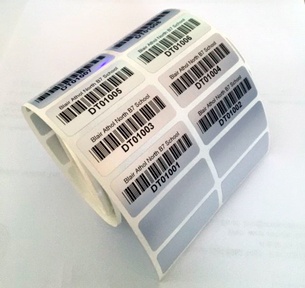
Polyester Asset tags